Best BBQ Rubs 2026: Competition-Tested, Backyard-Proven
Killer Hogs, Meat Church, Plowboys, Bad Byron's. Jeff breaks down the best BBQ rubs by flavor profile — sweet, savory, heat, and all-purpose.

Backyard cook. Austin, Texas. 30+ years on grills, smokers, and pizza ovens.
Affiliate disclosure: Jeff earns a small commission when you buy through links on this site — at no extra cost to you. He only recommends gear he'd actually buy himself.
Not sure what to buy? Take the quiz.
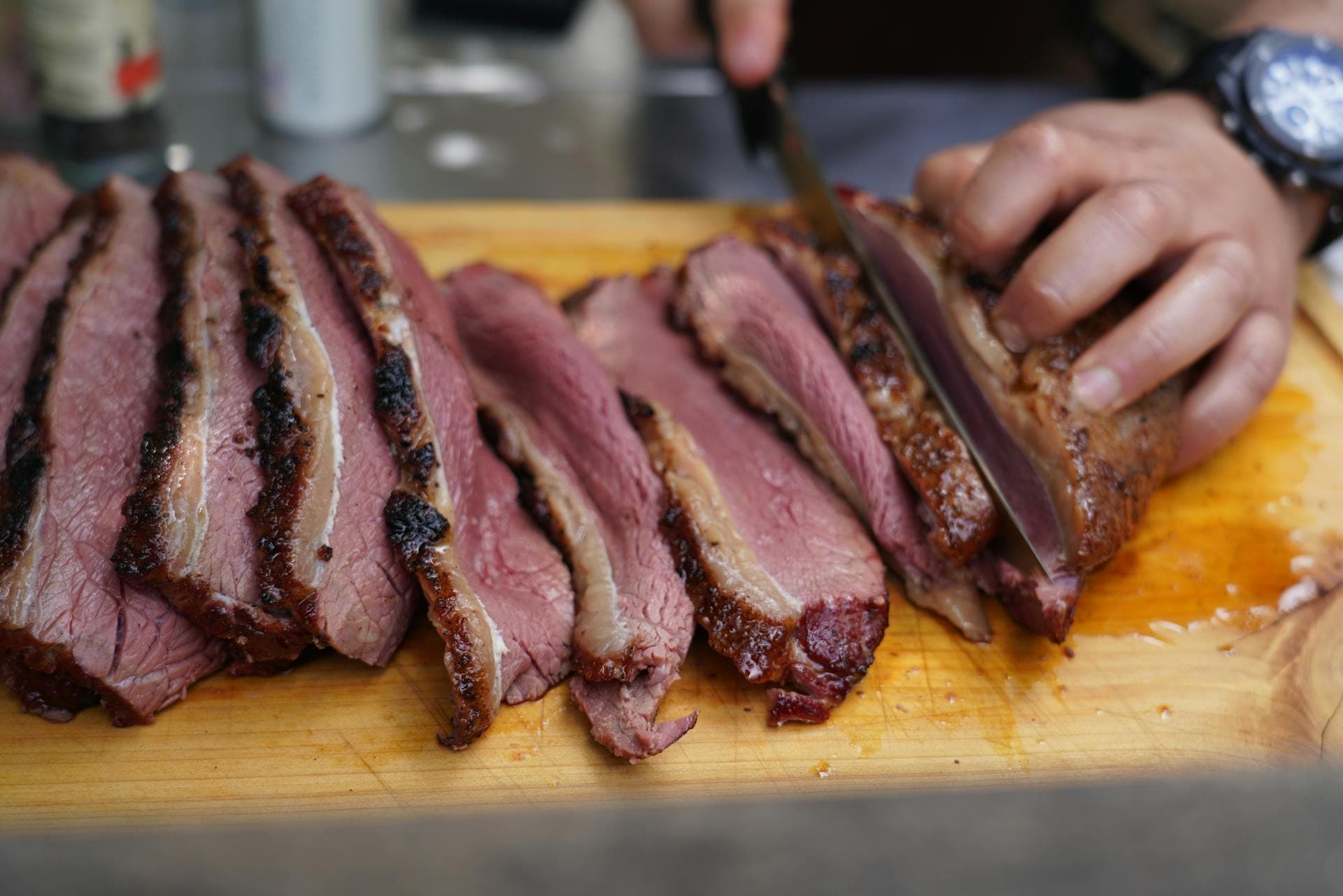
Find My SetupThe right rub does two things: it seasons the surface of the meat and it builds bark. Bark is the dark, flavorful crust that develops during a long cook on a smoker or grill. It is the combination of the rub's ingredients reacting with heat and smoke over hours. Without a rub, the bark is thin and one-dimensional. With the right rub, it becomes the best part of the cook.
The BBQ rub market is enormous. Every pitmaster has a brand. Every brand has six flavors. Social media promotes a new "game-changing" rub every week. Most of them are fine. Some of them are genuinely good. A few are exceptional and have earned their reputation through competition results and real-world cooking.
This guide focuses on five rubs that cover every situation: an all-purpose workhorse, the best pork-specific sweet rub, the competition chicken standard, a savory no-sugar alternative, and the best versatile crossover. Each one is competition-tested and works in a backyard.
Jeff's Quick Picks
| Rub | Flavor Profile | Best For | Size | Approximate Price |
|---|---|---|---|---|
| Killer Hogs The BBQ Rub | Balanced sweet/heat | Everything (best all-purpose) | 11 oz | Around $12 |
| Meat Church Holy Gospel | Paprika/garlic | Ribs, chicken, beef | 12.5 oz | Around $14 |
| Meat Church Honey Hog | Sweet/honey | Pork ribs, pulled pork | 12.5 oz | Around $14 |
| Plowboys Yardbird | Savory/mild heat | Chicken, pork, vegetables | 14 oz | Around $15 |
| Bad Byron's Butt Rub | Savory/pepper (no sugar) | High-heat grilling, all proteins | 26 oz | Around $15 |
Killer Hogs The BBQ Rub: The One to Buy First
Malcolm Reed is a competition pitmaster who designed this rub to win. And it did. What makes it work in a backyard is the same thing that makes it work in competition: balance. The sweetness is present but not dominant. The heat exists on the finish but does not overpower. The salt level is correct without being aggressive. The paprika and garlic provide depth without competing with the meat.
Apply it to pork ribs and you get a bark that is dark, slightly sweet, and complex. Apply it to chicken thighs and the skin crisps with a flavor that is distinctly "BBQ" without any single note taking over. Apply it to a brisket flat and it builds a pepper-and-spice bark that complements rather than masks the beef.
The balance is what separates Killer Hogs from the dozens of "all-purpose" rubs that lean too hard in one direction. Some all-purpose rubs are really pork rubs with the name changed. Some are essentially seasoned salt with paprika added. Killer Hogs is genuinely designed to work across every protein, and it does.
The 11 oz bottle is the only downside. If you cook regularly, you will go through it in a month. The per-ounce cost is higher than buying a bulk seasoning, but the flavor justifies the price. Think of it as the rub you reach for when you want the cook to be good without thinking about it.
I use this more than any other rub in my rotation. When I do not feel like matching a specific rub to a specific protein, Killer Hogs goes on and the result is consistently good.
Meat Church Holy Gospel: The Crossover Pick
Meat Church is the most popular BBQ rub brand in the US right now, and for good reason. They make specialized rubs for every protein and cooking style, and each one is genuinely good. Holy Gospel is the crossover product that combines elements of their two most popular rubs into one bottle.
It blends the beef-forward profile of Holy Cow with the all-purpose versatility of The Gospel. The result is a paprika-heavy rub with garlic depth and a light heat finish. It works on ribs, chicken, beef, and vegetables. The color it produces on finished meat is deep red and visually impressive.
The paprika is what defines the Holy Gospel experience. It is the dominant flavor note, and it creates a color on the meat surface that photographs well and tastes even better. If you have seen competition BBQ photos where the meat looks almost lacquered in red, that is paprika at work.
Compared to Killer Hogs, Holy Gospel leans more savory. The sweetness is lower, the garlic is more pronounced, and the heat is slightly more forward. If you prefer a rub that lets the meat flavor lead rather than the seasoning, Holy Gospel delivers that.
The 12.5 oz bottle is standard for premium rubs but small if you cook for groups regularly. Meat Church sells bulk bags if you find yourself reordering frequently.
Meat Church Honey Hog: The Pork Specialist
If you cook pork ribs or pulled pork regularly, Honey Hog is the rub that makes them look and taste like competition BBQ. The honey powder in the blend creates a caramelized, golden bark that is sticky, sweet, and deeply satisfying in a way that regular sugar-based rubs cannot match.
The sweetness is real honey flavor, not artificial sweetener or corn syrup solids. It caramelizes over the course of a low-and-slow cook, building layers of flavor as the bark develops. At the three-hour mark on a rack of spare ribs, the surface has a mahogany gloss that is unmistakable.
Honey Hog is not subtle. If you prefer a rub that stays in the background, this is not it. The sweetness is forward, the honey flavor is distinct, and the bark it creates is the star of the plate. That is the point. For pork ribs and pulled pork, sweetness is a feature, not a flaw.
The rub also works surprisingly well on chicken. Thighs and drumsticks develop a sweet, sticky skin that balances the savory meat underneath. It is not the traditional chicken seasoning, but it works.
I would not use Honey Hog on beef. The sweetness clashes with the natural richness of brisket and steak. For beef, Killer Hogs or Holy Gospel are the better choices. Honey Hog has a specific job: make pork taste incredible. It does that job better than anything else on the market.
Plowboys Yardbird: The Competition Chicken Secret
The competition BBQ circuit has known about Yardbird for years. It was designed specifically for competition chicken, where the seasoning has to be noticeable on the first bite but balanced enough to hold up across multiple pieces judged side by side. That level of precision translates directly to backyard cooking.
The flavor profile is savory-first. Salt, garlic, onion, and celery form the base. A touch of sweetness and mild chili heat round out the finish. The result is a rub that enhances chicken without turning it into something unrecognizable. The chicken still tastes like chicken, just a significantly better version of it.
What makes Yardbird special is the restraint. Most BBQ rubs lean hard into sweetness or heat because those flavors are immediately noticeable. Yardbird trusts the cook to let the protein do the work. The rub is the supporting cast, not the lead actor. That approach works brilliantly on chicken, and it works equally well on pork chops, grilled vegetables, and fish.
The 14 oz bottle is generous for the price, and the rub goes further than sweet rubs because you do not need as much to achieve the flavor. A thinner application works better with Yardbird than a heavy coat, which is the opposite of how sweet rubs behave.
If you grill chicken regularly, Yardbird becomes the rub you measure everything else against. It is the competition standard for a reason.
Bad Byron's Butt Rub: The Savory Alternative
Butt Rub breaks from the BBQ rub formula in one important way: no sugar. Zero. The blend is salt, black pepper, garlic, onion, paprika, and chipotle. That is it. No fillers, no MSG, no artificial anything.
The absence of sugar changes everything about how this rub behaves. It does not caramelize, which means it does not burn at high grilling temperatures. You can use it on a screaming-hot gas grill or over direct charcoal without worrying about the surface turning bitter. Sweet rubs have a temperature ceiling. Butt Rub does not.
The flavor is clean and savory. Garlic and black pepper dominate. The chipotle adds a smoky warmth without noticeable heat. The paprika provides color. The overall effect is a rub that seasons the meat rather than coating it in sweetness.
The 26 oz bottle is twice the size of most premium rubs at a similar price point. If you grill multiple times a week, the value proposition is clear. You get more rub for less money, and the savory profile means you will use it on everything from pork butts to steaks to roasted vegetables.
I reach for Butt Rub when I am grilling at high heat, when I want the meat flavor to lead, or when I am cooking for people who prefer savory food over sweet. It is not the flashiest rub on this list, but it is the most honest one. The meat speaks for itself.
How to Apply BBQ Rubs
The technique matters as much as the rub itself. Here is how I apply rub to get the best results:
First, apply a binder. A thin layer of yellow mustard or olive oil on the meat surface gives the rub something to stick to. The mustard cooks off completely and does not affect the final flavor. The point is adhesion, not taste.
Second, apply the rub generously but evenly. You want full coverage without clumping. For ribs, roughly 2-3 tablespoons per side. For a pork butt, about a quarter cup total. For chicken pieces, a tablespoon per piece. Press the rub into the surface gently with your hands.
Third, let the rub sit. For quick cooks like chicken and steaks, 30 minutes is enough. For pork butts and briskets, apply the rub the night before and refrigerate uncovered. The salt in the rub starts a dry-brining process that seasons the meat deeper than surface level.
Finally, match the rub to the cook. Sweet rubs (Killer Hogs, Honey Hog) are best at smoking temperatures between 225 and 275 degrees. Savory rubs (Butt Rub, Yardbird) handle any temperature including direct-heat grilling at 400+ degrees.
Making Your Own Rubs vs Buying
The internet is full of homemade BBQ rub recipes. Most of them are good. Some of them are excellent. But there is a reason competition pitmasters develop and sell commercial rubs: consistency.
When you make a rub at home, the proportions vary every time. A heaping tablespoon of paprika today might be a rounded tablespoon tomorrow. The garlic powder from one brand is more potent than another. The grind of your black pepper changes the heat level. These small variations compound, and the rub tastes different every batch.
Commercial rubs from Killer Hogs, Meat Church, and Plowboys are formulated with precise measurements and consistent ingredient sourcing. The rub you buy today tastes the same as the one you buy six months from now. That consistency matters when you are trying to replicate a cook that worked well.
I keep homemade rubs for experimentation and commercial rubs for reliability. When I want to try something new, I mix my own. When I want the cook to be good without thinking about it, I reach for a bottle that I know works.
Storage and Shelf Life
BBQ rubs last a long time, but they do not last forever. The spices gradually lose their potency through exposure to air, light, heat, and moisture.
Store rubs in a cool, dark place with the lids tightly sealed. The pantry is fine. The garage is not. Heat accelerates the loss of volatile oils that give spices their flavor. Direct sunlight degrades the color and flavor of paprika-based rubs particularly quickly.
Once opened, most rubs maintain full potency for 6-12 months. After that, they fade gradually. A rub that has been sitting for two years is not dangerous to eat, but it will taste muted and require a heavier application to achieve the same flavor as a fresh bottle.
Buy sizes you will use within a year. Bad Byron's 26 oz bottle is good value if you cook regularly. If you cook occasionally, the 11-12 oz bottles from Killer Hogs and Meat Church are sized more appropriately. There is no savings in buying bulk if half the bottle goes stale before you use it.
Regional Rub Traditions
BBQ rubs reflect the region they come from, and understanding these traditions helps you choose rubs that match your cooking style.
Texas tradition uses only coarse black pepper and kosher salt. The Dallas and Central Texas pitmasters believe beef does not need anything else, and when the beef is good, they are right. Killer Hogs and Meat Church come from this tradition but add complexity beyond the salt-and-pepper purist approach.
Kansas City tradition leans sweet. Sugar, brown sugar, and molasses-based rubs create the sticky, lacquered bark that defines KC-style ribs. Honey Hog fits this tradition, though with honey rather than molasses.
Memphis tradition leans dry and savory. Memphis-style ribs are served without sauce, with the rub doing all the flavoring work. Plowboys Yardbird and Bad Byron's Butt Rub both align with this philosophy of letting the spices season the meat without drowning it in sweetness.
Carolina tradition uses vinegar and mustard-based sauces rather than dry rubs, so commercial rub brands have less representation in this style. The rubs on this list all work well with Carolina-style cooking, but the sauce is the star in that tradition, not the rub.
Building a Rub Rotation
If you are just starting, buy Killer Hogs The BBQ Rub. It handles everything and will not let you down. As you cook more and develop preferences, add Honey Hog for pork and Yardbird for chicken. Those three bottles cover any protein and any cooking method.
Add Butt Rub when you start grilling at higher temperatures or when you want a savory option that lets the meat shine. Add Holy Gospel if you want to explore the Meat Church lineup or prefer a paprika-forward profile.
Five bottles. Five flavor profiles. Every protein, every cooking method, every situation covered. That is the complete rub rotation.
See also: our guide to smoking brisket for technique that pairs with these rubs, and best Blackstone accessories for tools that complement your outdoor cooking setup.
Products Mentioned in This Guide
Killer Hogs The BBQ Rub (11 oz)
Killer Hogs
Competition-proven BBQ rub from pitmaster Malcolm Reed. Balanced blend of salt, sugar, paprika, garl...
View on Amazon →Meat Church Holy Gospel BBQ Rub (12.5 oz)
Meat Church
A hybrid of Meat Church's Holy Cow (beef) and The Gospel (all-purpose). Paprika-forward with garlic ...
View on Amazon →Meat Church Honey Hog BBQ Rub (12.5 oz)
Meat Church
Sweet pork rub with honey powder that caramelizes into a sticky, golden bark on ribs and pulled pork...
View on Amazon →Plowboys BBQ Yardbird Rub (14 oz)
Plowboys BBQ
Competition chicken rub that crossed over into everything else. Savory-forward with a touch of sweet...
View on Amazon →Bad Byron's Butt Rub (26 oz)
Bad Byron's
All-purpose barbecue rub with a savory garlic and pepper base. No sugar, which means no burning at h...
View on Amazon →As an Amazon Associate, we earn from qualifying purchases.
Not sure what to buy?
Tell me what you want to cook and how much you want to spend. I'll cut straight to the right setup.
Find My SetupFrequently Asked Questions
What is the best BBQ rub for beginners?
Killer Hogs The BBQ Rub. It is balanced enough to work on everything, builds a good bark on low-and-slow cooks, and does not overpower the meat. If you want something sweeter for pork ribs specifically, Meat Church Honey Hog is the answer. Both are designed to make you look good with minimal effort.
Should I use a sweet or savory BBQ rub?
Sweet rubs (Killer Hogs, Honey Hog) caramelize into bark on low-and-slow cooks, which looks and tastes great on ribs and pulled pork. Savory rubs (Bad Byron's Butt Rub, Plowboys Yardbird) let the meat flavor come through and work better at high grilling temperatures because they do not burn. Sweet for smoking, savory for grilling is a good general rule.
Can I use BBQ rub on chicken?
Yes. Plowboys Yardbird was designed specifically for competition chicken and crossed over because it works on everything. Meat Church Holy Gospel and Killer Hogs both work well on chicken too. Apply the rub under the skin for thighs and drumsticks so the seasoning contacts the meat directly.
How much BBQ rub should I use?
Enough to fully coat the surface without clumping. For a rack of ribs, that is roughly 2-3 tablespoons per side. For a pork butt, around a quarter cup total. Apply a thin layer of mustard or olive oil first as a binder so the rub sticks evenly. The binder cooks off and does not affect flavor.
Do BBQ rubs expire?
Technically no. Dried spices lose potency over time but do not become unsafe. A rub that is been sitting for 2-3 years will taste weaker but will not harm you. For best results, use rubs within 12-18 months of opening. Store in a cool, dry place away from direct sunlight. Buy sizes you will actually use within a year.
What is the best BBQ rub for brisket?
Traditional Texas brisket uses only coarse black pepper and kosher salt at a 1:1 ratio. That is the purist approach, and it works. If you want more complexity, Killer Hogs The BBQ Rub adds enough sweetness and spice to build a deeper bark without hiding the beef flavor. Meat Church Holy Cow is the dedicated beef rub if you want to stay in the Meat Church ecosystem.
Related Guides
Not sure which guide to read?
Take the quiz. Tell me what you want to cook and I'll point you straight to the right gear.
Take the Quiz — It's FreeNo email required